vulns.co
/
GKData.io MCP

Conceptual model · 1 min read

Failures need separate public and diagnostic contracts

Editorial conceptual model derived from the Facebook error-response case and OWASP error-handling and logging guidance. The case establishes unintended response disclosure and broader framework remediation; diagnostic minimization and retention are general guidance, not claims about the vendor patch. Assumes an application-defined public error contract and an authorized diagnostic purpose. This model does not establish preserved authorization in fallback behavior or independent proof from logs.
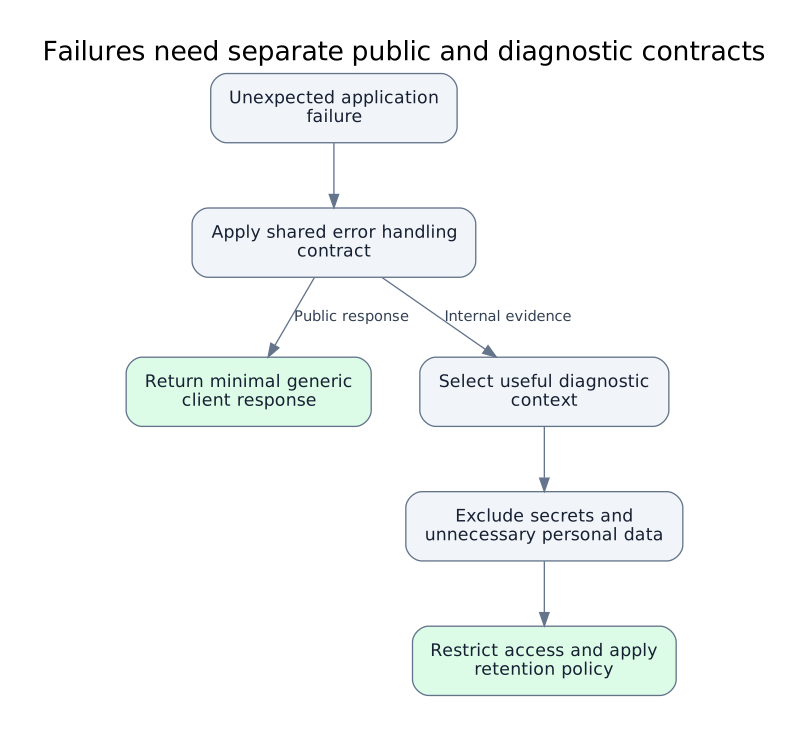
The conceptual model

A failure reaches a shared error handler. The public response contains minimal generic information. A separate diagnostic path selects useful context, removes secrets and unnecessary personal data, and stores it under access and retention controls. Raw exception details do not flow directly to the client.

Cases and references behind the model

Sources and provenance

  1. about.fb.com Primary source
  2. cheatsheetseries.owasp.org Primary source
  3. cheatsheetseries.owasp.org Primary source

Record reviewed 2026-10-03. Snapshot 53796974ace8. Open the complete JSON contract.

GitHub snapshot 2026-10-04

53796974ace8 · JSON exports & schemas · CC BY 4.0 content / MIT software