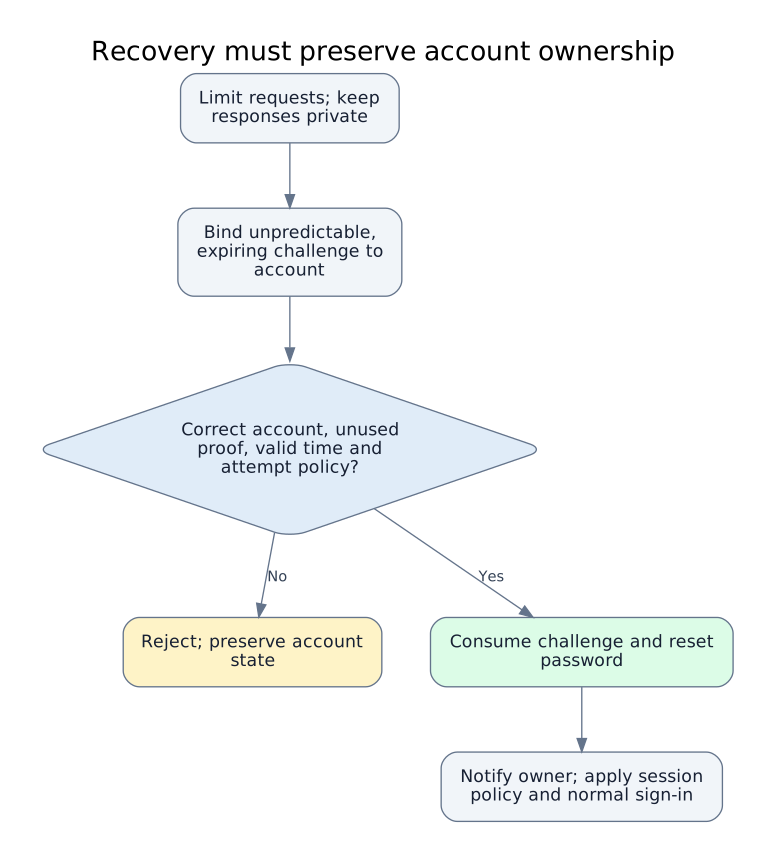
Recovery must preserve account ownership
Editorial conceptual model derived from the linked cases and official guidance; not a vendor architecture diagram or an exploitation sequence.
Reviewed 2026-10-02Read
13 records / Open collection
Conceptual diagrams connecting identity, authority, data flow, and the cases behind them.
13 matching records
Editorial conceptual model derived from the linked cases and official guidance; not a vendor architecture diagram or an exploitation sequence.
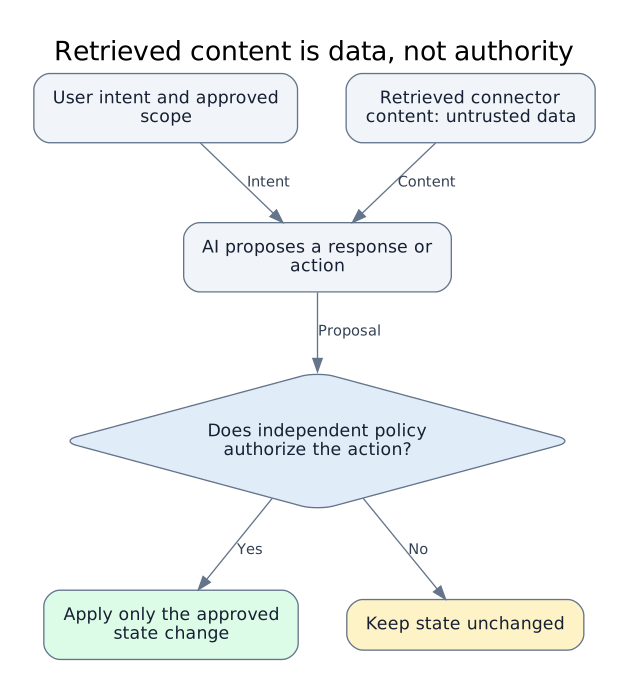
Editorial conceptual model derived from the linked cases and official guidance; not a vendor architecture diagram or an exploitation sequence.
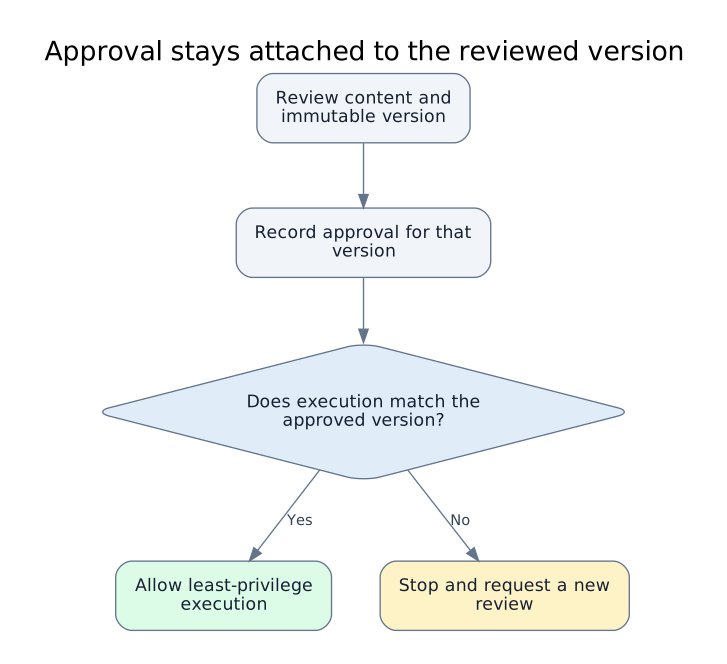
Editorial conceptual model derived from the linked cases and official guidance; not a vendor architecture diagram or an exploitation sequence.
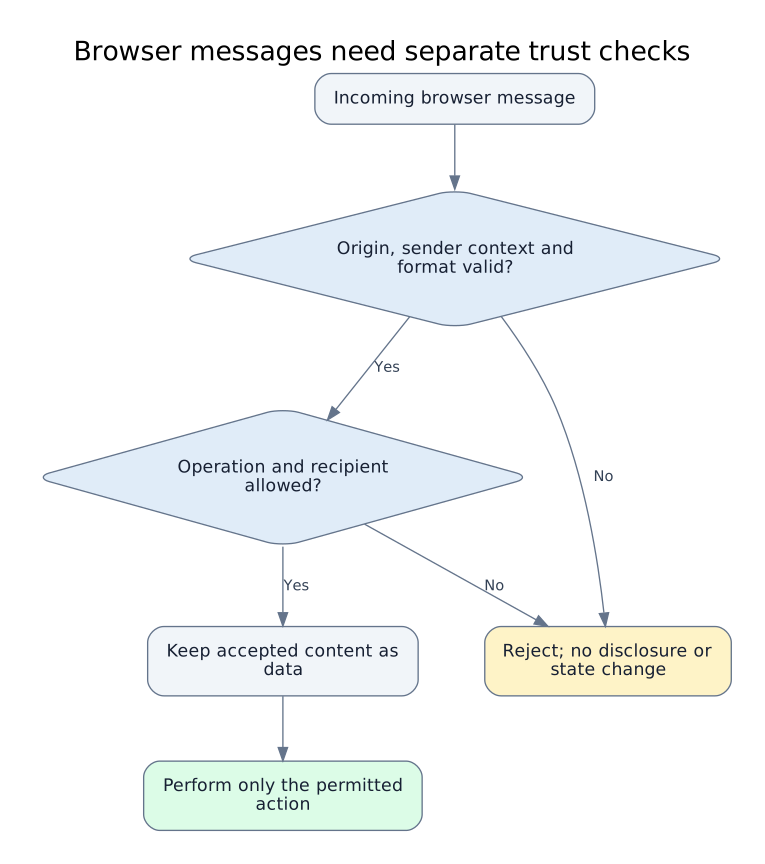
Original defensive model combining OWASP messaging and authorization guidance with the linked historical cases. These are independent design checks, not a vendor patch diagram or an operational reproduction.
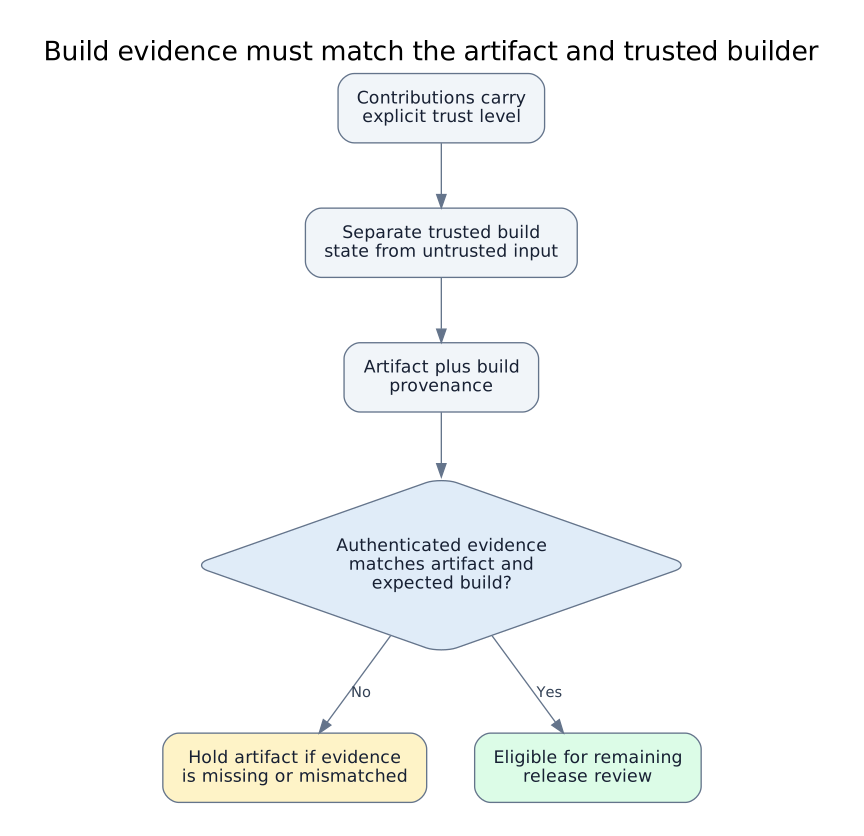
Editorial conceptual model combining the Angular case with SLSA build guidance. The case supports separating automation trust and shared build state; the consumer verification gate is a general design synthesis, not a…
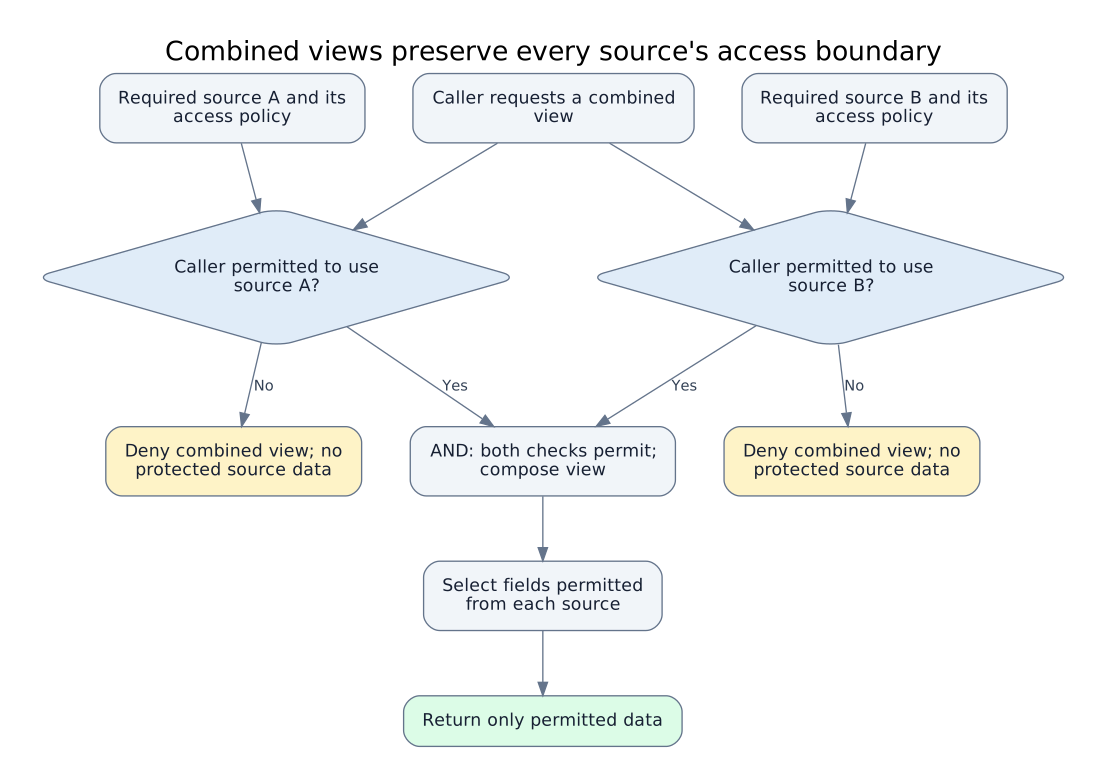
Original conceptual model for a view that requires multiple independently protected sources. Permission to use one source cannot authorize another source. The convergence is an AND requirement: both source decisions…
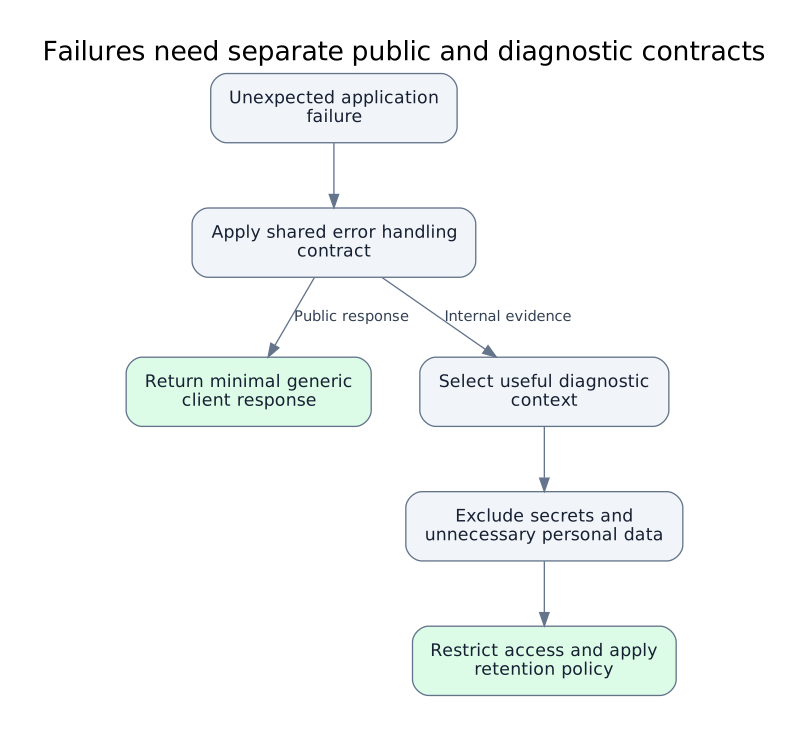
Editorial conceptual model derived from the Facebook error-response case and OWASP error-handling and logging guidance. The case establishes unintended response disclosure and broader framework remediation; diagnostic…
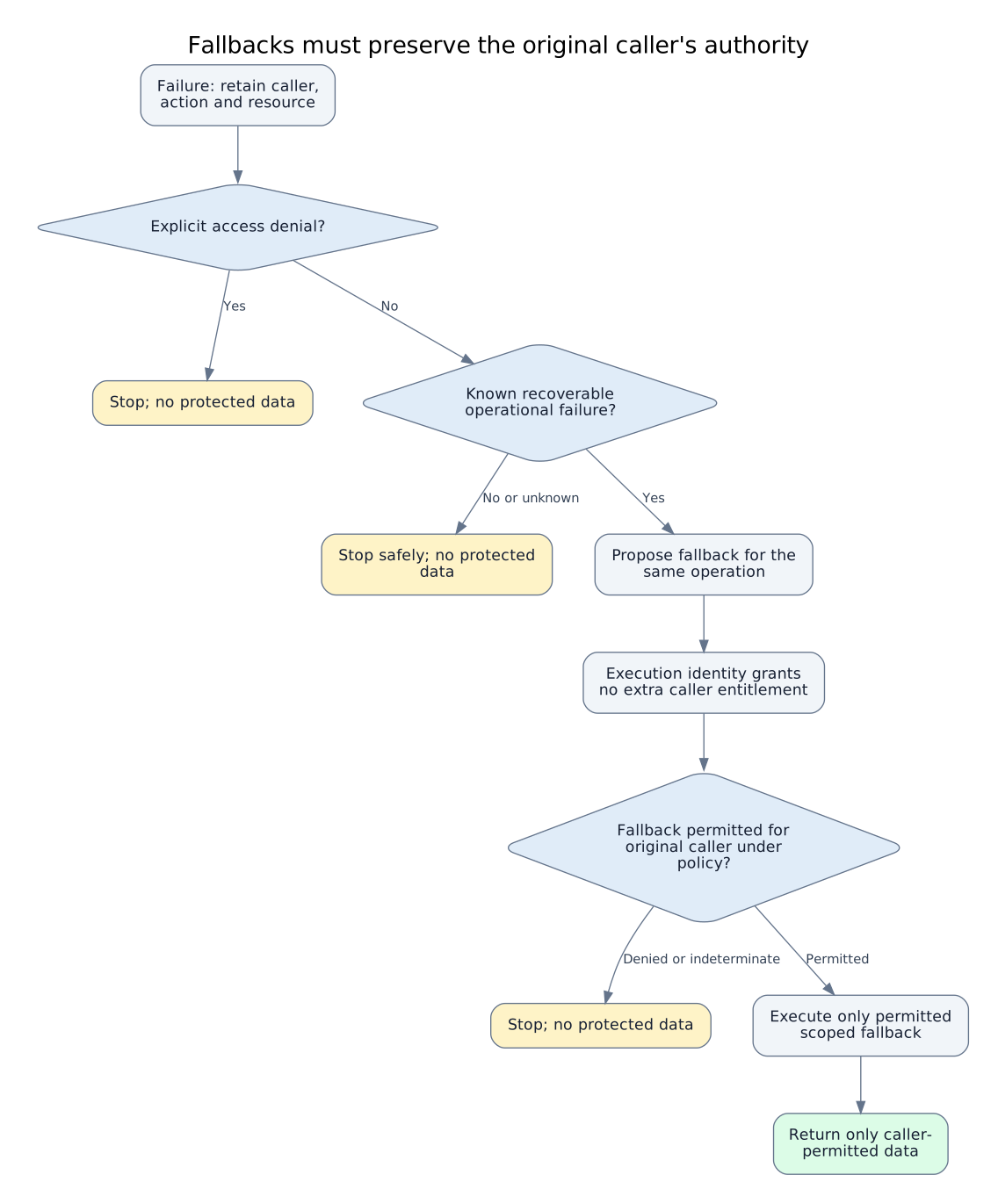
Original editorial defensive synthesis of the Instagram embedding disclosure and OWASP authorization guidance. The researcher attributes the disclosure to error handling that retrieved protected content under an…
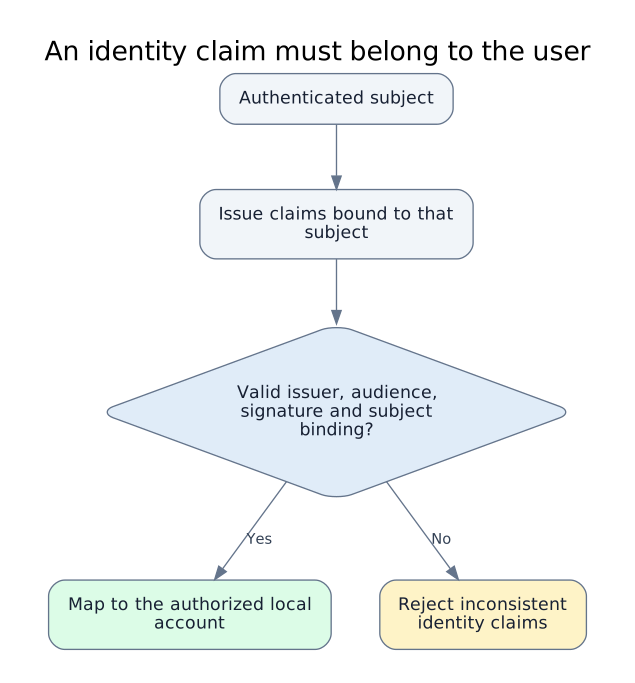
Editorial conceptual model derived from the linked cases and official guidance; not a vendor architecture diagram or an exploitation sequence.
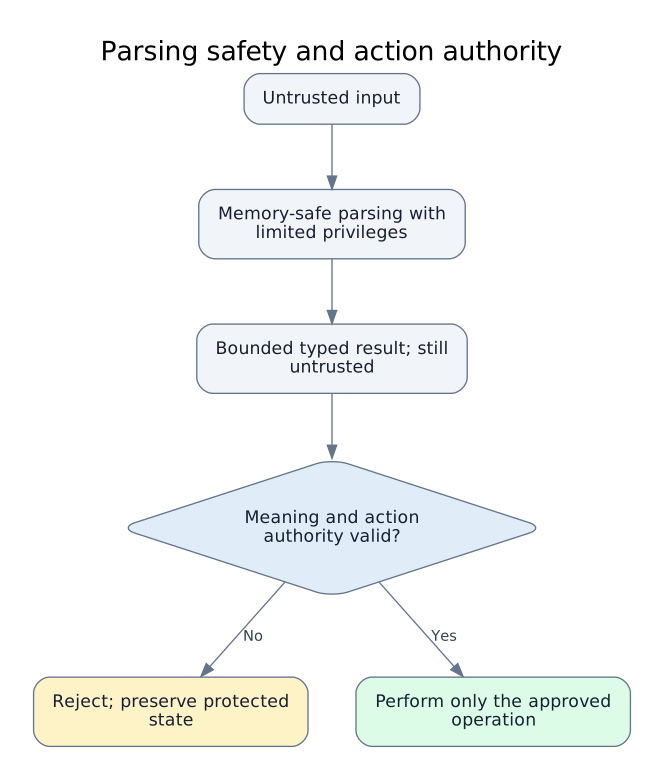
Editorial conceptual model derived from the linked cases and official guidance; not a vendor architecture diagram or an exploitation sequence.
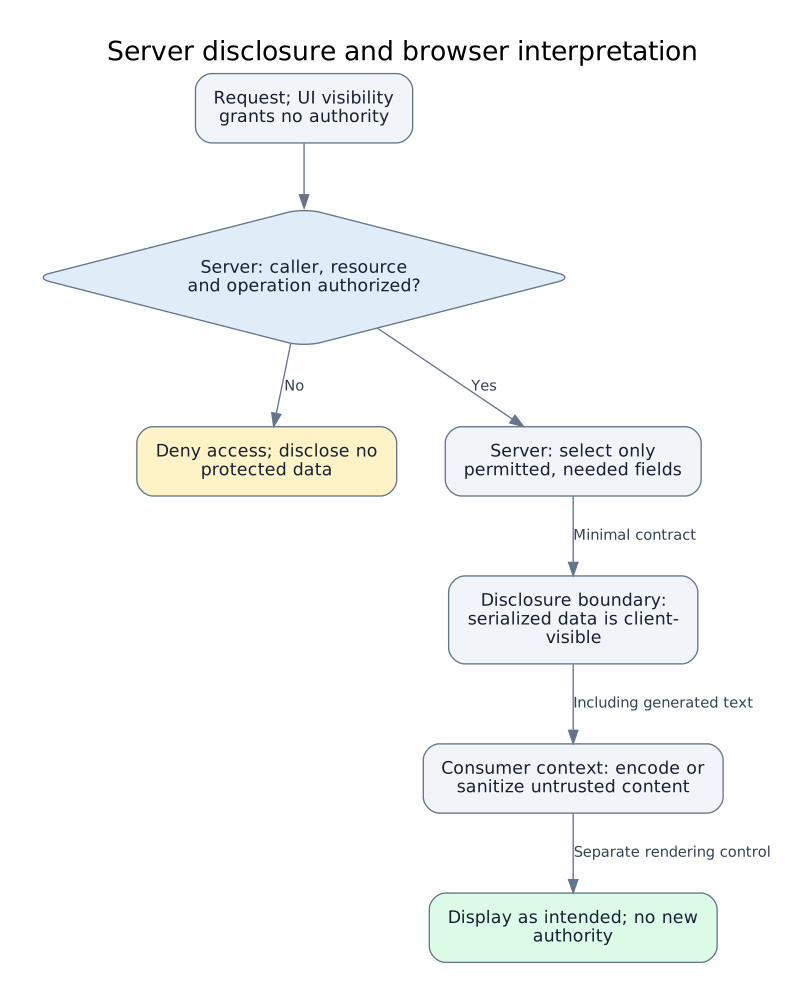
Editorial conceptual model: assumes an application with server-side privileged data and a browser consumer. Next.js guidance supports server authorization and minimal client-visible contracts; OWASP LLM05 supports…
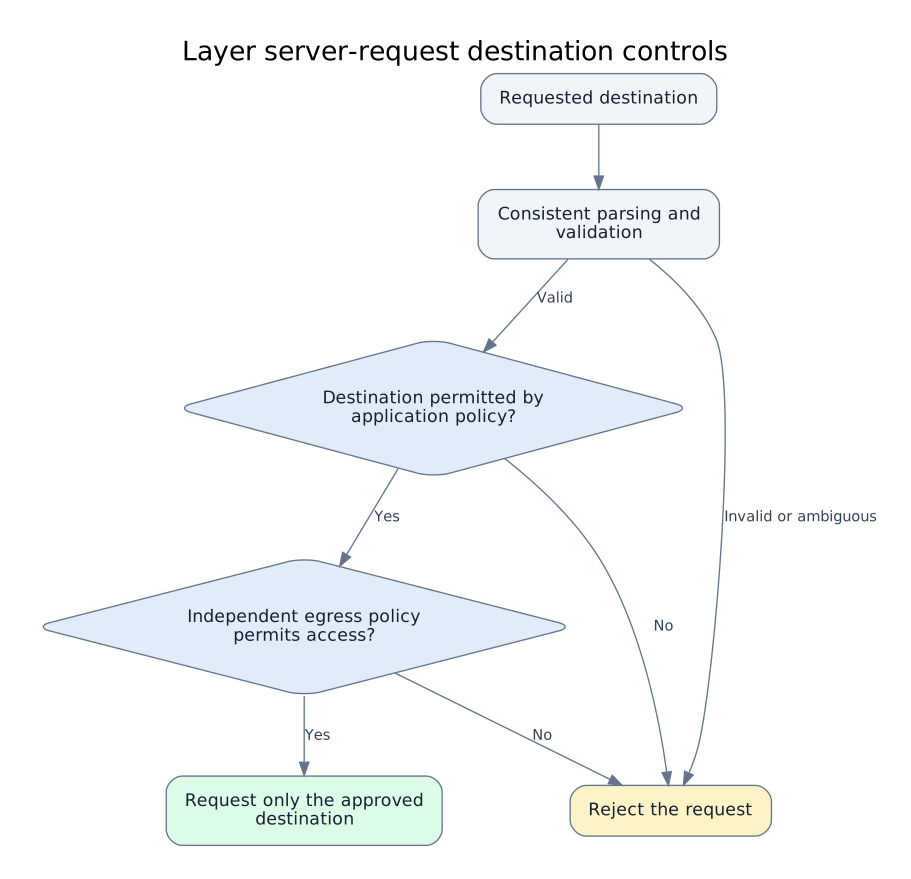
Original conceptual defense-in-depth model linked to the historical Shopify Exchange case and OWASP guidance. It is not a vendor architecture diagram. Policy must fit the service’s destination requirements.
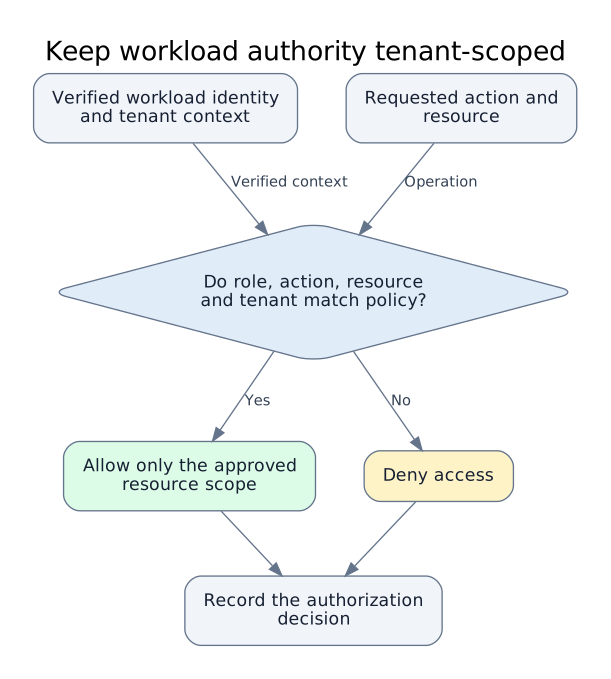
Editorial conceptual model derived from the linked cases and official guidance; not a vendor architecture diagram or an exploitation sequence.
No records match these filters. Try a broader search or reset the collection.
GitHub snapshot 2026-10-04
53796974ace8 · JSON exports & schemas · CC BY 4.0 content / MIT software
| / | Focus search on this page |
| Ctrl K | Search everything (command palette) |
| 1-9 | Library, Generator, Playbooks, Gadgets, Checklists, Payloads, Bypasses, Utilities, Reports |
| 0 | AI / MCP connector |
| j / k | Move selection down / up |
| Enter | Expand / open selected |
| c | Copy primary command of selected |
| f | Toggle favorite on selected tool |
| Esc | Clear search / close |